

Indian Muslim community, like any other Muslim communities in the world, has never fully succumbed to adverse situations and challenges. It has always exhibited a highly positive attitude of survival. Leaders, scholars and movements had come up at times of crises to take the community forward through such difficulties.
The self-esteem and self-confidence of Muslim communities across the world could not be shattered fully even in the midst of many severe challenges during the past 1400 and more years. This strength could be seen well throughout the history of Indian Muslims. Followed by the fall of Muslim Spain in 1492, Vasco de Gama landed at Malabar Coast in 1498 marking the era of colonialism in India and beyond. When the trade, religion and culture of Mappila Muslims were threatened by the Portuguese pirates, they did not retreat but valiantly resisted the aggressors.
Muslims were the prime targets of British Empire in 1857 War of Independence. Glorious era of Muslim rule came to an end with the weakest ever Mogul emperor Bahadur Shah Zafar. East India Company, the precursor of the British rule in India, had taken control of almost the entire subcontinent by this time. The 1857 War of Independence united Hindus and Muslims against the British, and this aggravated their hatred, and they contrived the divide and rule tactic. Retaliating to the war, Britons massacred Muslims in many parts of the country. It is estimated that 27,000 Muslims were killed in Delhi alone.
3.1 Pre-Independence movements
However, Muslims, in general, were not demoralised nor disheartened by the aggression, but stiffened their morale and strengthened efforts to resist the invaders. The years that followed saw a good number of movements for the betterment of the community emerging in the northern region of India. Thus crises helped the community to give birth to many visionary leaders and organisations that significantly contributed in reforming the Muslim community, apart from giving them leadership to fight against the British.
Present-day Muslim community has a lot to learn from these movements that capacitated the Muslims to overcome their miseries. Lamenting the past will not serve any purpose. A community that is ready to fight against the odds with optimism will only survive.
Reforming the community, spreading education and fighting the western invaders were the common objectives of the organisations that were formed before independence, though their strategies and work plans differed. Tareq-e-Mohamediya, Aligarh Movement, Deoband Movement, Tableeghe Jama’at, Jam’iyyathul Ulema-e-Hind, All India Muslim League and Jama’at-e-Islami were the prominent movements formed before independence.
Reforming the community, spreading education and fighting the western invaders were the common objectives of the organisations that were formed before independence.
Nawab Mohsin ul Mulk, Sir Syed Ahmed Khan, Justice Syed Mahmood
3.1.1 Tariq-e-Mohamediya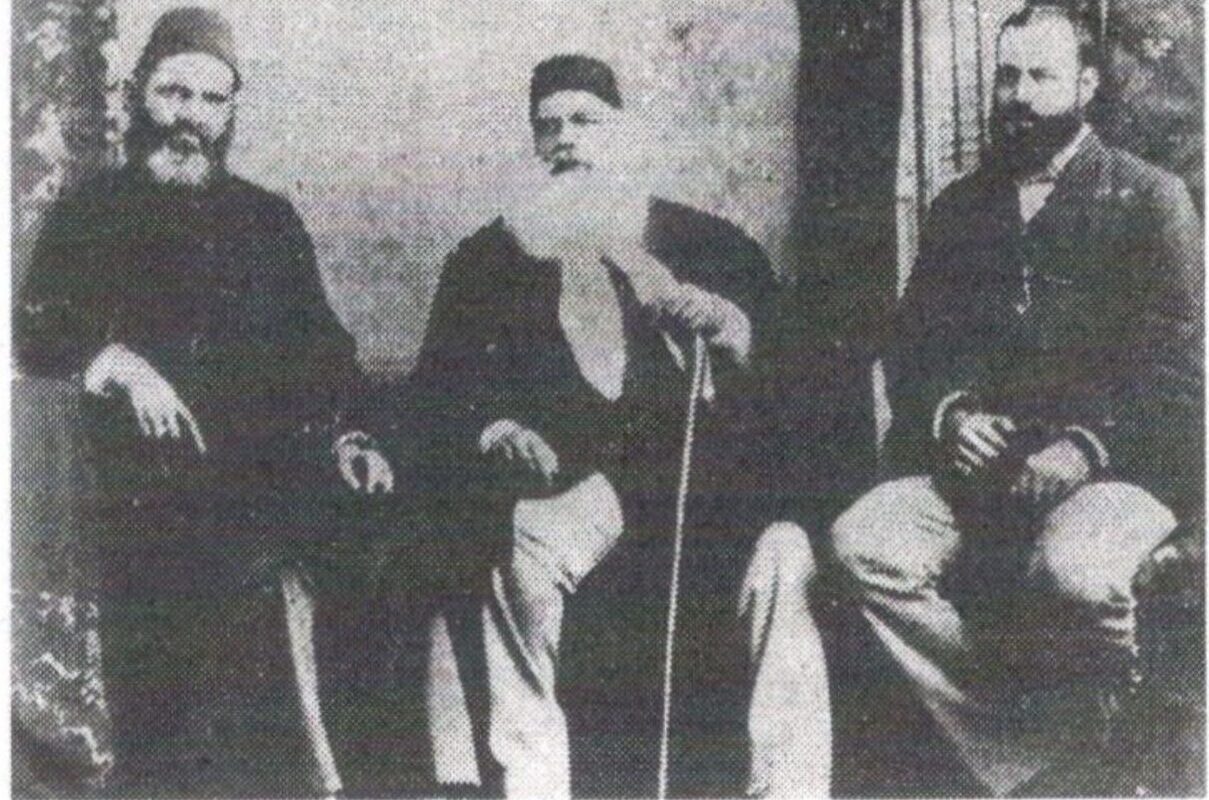
This Movement was founded by Syed Ahmad Barelwi Shahid (1789-1831). Tariqah-e Muhammadiya was not a simple revivalist movement. It was directed against superstitious beliefs and ignorance. The Movement was based on nationalism and was headed against ruthless British dominance. They opposed the modern British education because they thought that it would alienate the young generation from the religion of Islam.
3.1.2 Deobandi movement
Muslims had been influenced over time by the Hindu customs and culture around them. The British presence worsened the situation. To counter this and to revitalise and preserve the Islamic identity and purity of religious practices among the common populace, a grassroots level effort was initiated. Ulema in 1866 gathered in Deoband, a small city north of Delhi in Uttar Pradesh, decided to develop a plan not only to build up resistance against the invaders but also to preserve Islamic values and spread Islam in the subcontinent. Dar-ul-Uloom, Deoband was subsequently founded with the Dars-Nizaami curriculum to accomplish the goal of providing Islamic education. The Deobandi scholars had also been vigilant in exposing deviant sects and erroneous schools of thoughts in the Muslim community.
The ulemas had been in the forefront of the freedom struggle against the British. They devised ways to organise secretly and recruit people in different areas of the subcontinent, and eventually fought the British resulting in the martyrdom and execution of many ulema.
The ulemas had been in the forefront of the freedom struggle against the British. They organised people in different areas and fought the British resulting in the martyrdom and execution of many ulema.
3.1.3 Jamiatul Ulema
This organisation was founded in 1919 by some ulemas connected to Deobandi Movement. Jamiatul Ulema-e-Hind strongly opposed the creation of a separate Muslim state of Pakistan. The Jamiat propounded a theological basis for its fight against Muslim nationalism.
3.1.4 Tablighi movement
It was started by Maulana Ilyas (1886-1994) in 1927 among the Meos of Mewat region, south of Delhi. This movement was formed in response to Arya Samaj’s drive of Shuddhi, which was aimed to “bring back home” the Muslims to the Hindu fold. “Aye Musalmano, Musalman bano” (Muslims, become Muslims) was the clarion call of the movement. Though it kept a distance from politics, leading to a negative attitude amongst its followers towards principal issues confronting the Muslim community, their efforts helped in curbing the Arya Samaj shuddhi drive and keeping firm the Muslims in their obligatory Islamic rituals.
Since the primary ideological perception and thrust functional areas of Tablighi Jama’at were apolitical, the movement did not warrant any change in policies and priorities due to freedom and the Partition. Even now it remains to be the most wide-spread Muslim movement in the sub-continent and Indian diaspora.
3.1.5 Jama’at-e-Islami
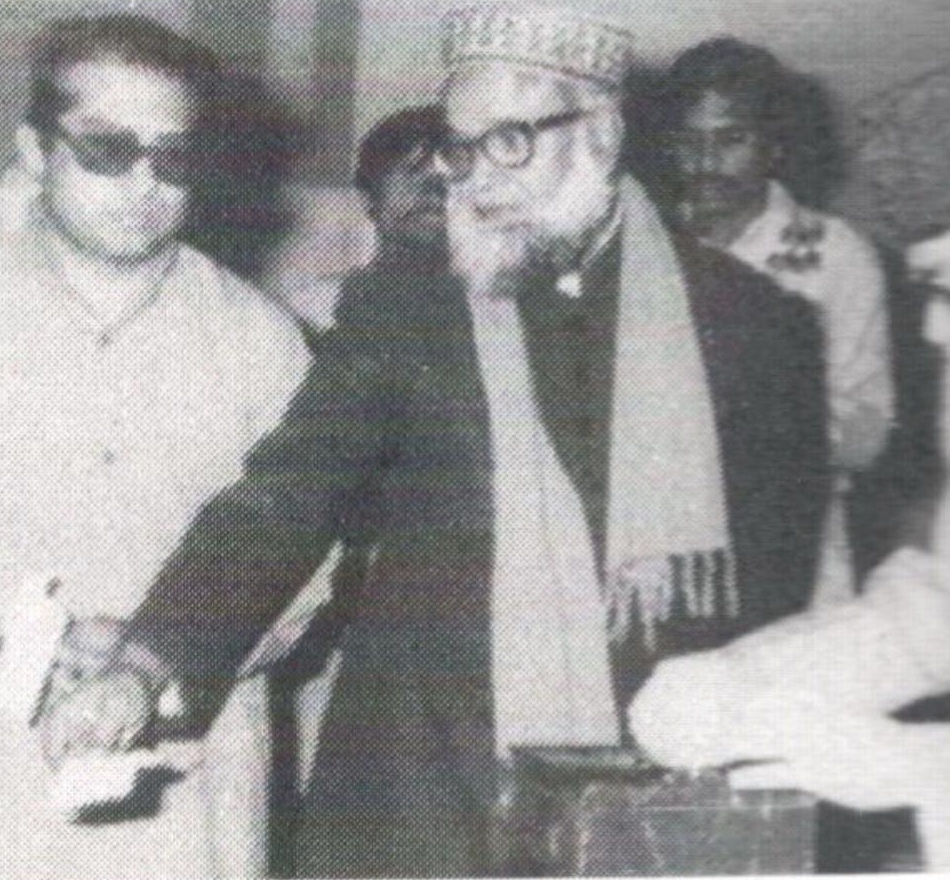 Abul A’alaa Maudoodi
Founded by the Islamic reformist scholar Abul A’alaa Maudoodi in Lahore in 1941. It differed from other traditional Muslim organisations in defining Islam as a comprehensive way of life. This definition encompasses all fields of life including politics. It has opposed democracy, allegedly a western system, and subsequently did not participate much in the freedom movement. Their focus was on purifying the Muslims through discourses and books. Their activities had been very effective in defending Islam against the orientalists’ attack and spreading it among the middle and learned strata of the society. After partition, Jama’at-e-Islami Hind was formed in India.
It concentrated in opening educational institutions where modern education and Islamic education are imparted simultaneously and publishing books, periodicals and newspapers to spread its ideology. Its approach to Indian political systems and institutions has undergone drastic changes leading its cadres and supporters participating in electoral politics as well.
3.1.6 All India Muslim League
When Allan Octavian Hume, a British civil servant, formed Indian National Congress to communicate with the Indians, it was the English-educated Hindus that joined it initially. They were strong proponents and spokespersons of nascent Hindu nationalism. Muslims kept away from Congress in the beginning. Though Congress was successful to some extent in attracting Muslims through a tactical move by electing Badrudeen Tayyibji as its president, suspicion became stronger among the Muslims that it is a movement controlled by upper caste Hindus.
Though Congress was successful in attracting Muslims through a tactical move by electing Badrudeen Tayyibji as its president, suspicion became stronger among the Muslims that it is a movement controlled by upper caste Hindus.
Thoughts of forming a separate party for Muslims evolved as some prominent Muslims realised that Indian National Congress wouldn’t be able to protect the interests of Muslims on account of the dominance of the upper caste Hindus in the party.
Thus All India Muslim League was formed in Dhaka in 1906 with Sir Agha Khan III as its first president. Its objective was to protect Muslim interests and rights in government services and other employment sectors. Initially, it was a party of Muslim lords, Nawabs and chieftains. Muslim League was actively involved in the freedom struggle, however.
The stridency of upper caste Hindu leaders and their refusal to accommodate Muslim interests force Muslim League to raise a claim for a separate nation for Muslims, which ultimately ended in partition and formation of Pakistan. Mohammed Ali Jinnah was the driving force behind the Pakistan movement. The burden of partition was thrust upon the shoulders of Muslim League, and hence its name even became an anathema to the post-independence Indian society.
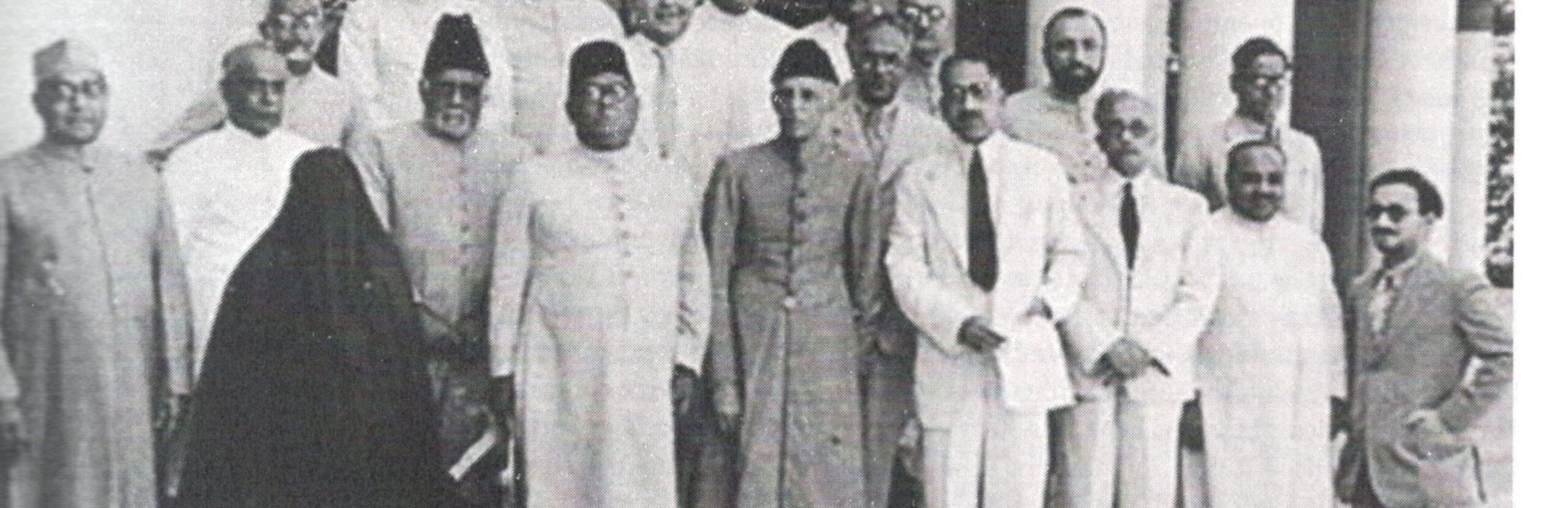
Muslim League Working Committee at the Lahore session
3.2 Institutions
3.2.1 Aliah Madrasa
Ironically the establishment of the first institution of modern education was in the form of an Arabic school called as Madrasah-i-Aliah or Calcutta Madrasah by the East India Company in 1780. The Company started classes in the madrasa in Urdu, Persian, English to develop native Muslim manpower for company purpose. Initially, Muslims, antagonised by the anti-Muslim policies of the colonial rulers after the 1757 Plassey war did not support it. But later Aliah Madrasa gained acceptance as a premier Muslim college. In later years it became the Mohammedan College of Calcutta in 1848 and finally Aliah University in 2008.
3.2.2 Aligarh Movement
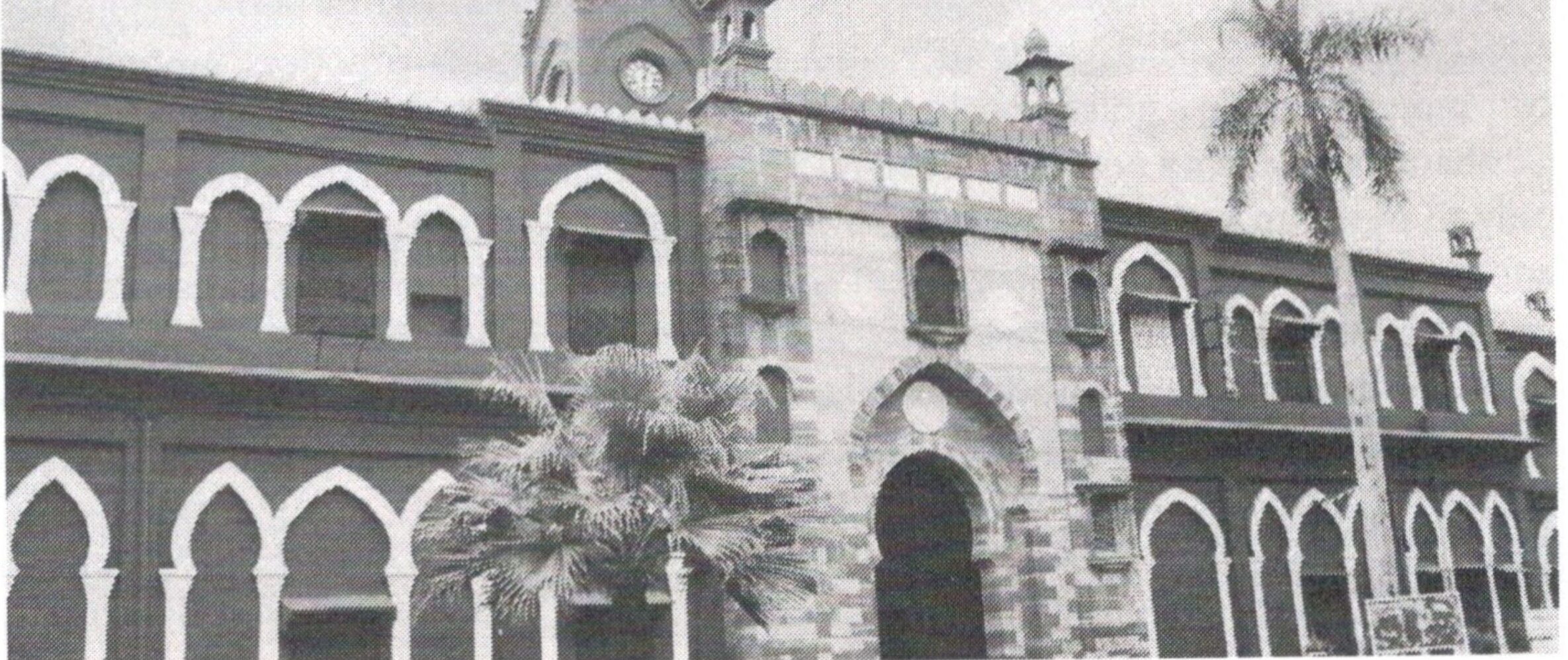
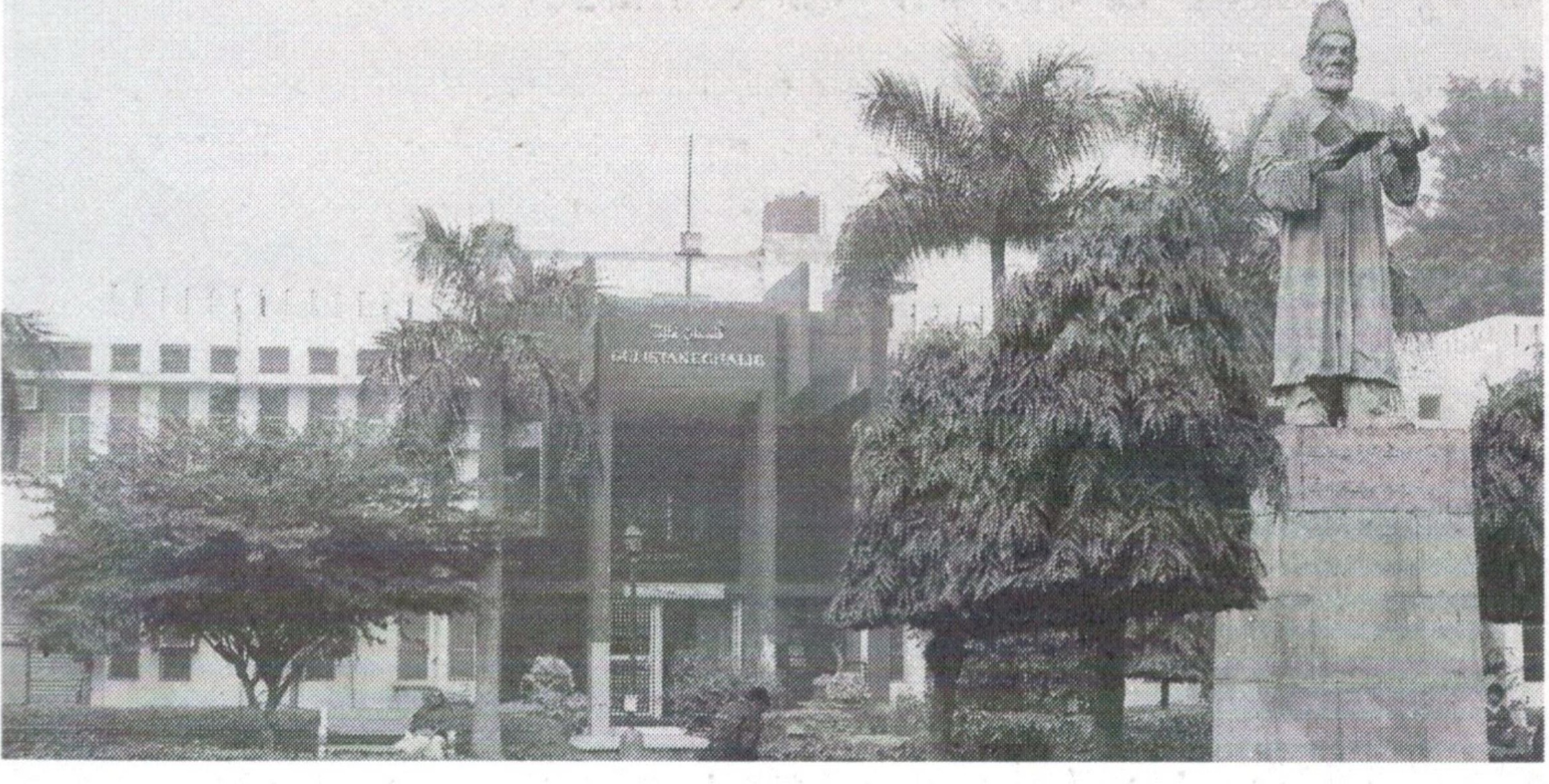 Although this movement was not much involved in the struggle against the British, it has contributed much to the development of Muslim community in the field of education. The Aligarh Movement was a modernistic movement launched by Syed Ahmed Khan which led to social changes among Indian Muslims. Syed Ahmed Khan had started a journal called Tahzib-ul-Akhlaq for popularising his ideas and messages. He established M.A.O. College in 1875, which was later named as Aligarh Muslim University. AMU used to impart western thoughts and European learning, together with the dissemination of Islamic heritage. This movement was aimed wholly towards educational upliftment of Indian Muslims.
AMU used to impart western thoughts and European learning, together with the dissemination of Islamic heritage. This movement was aimed wholly towards educational upliftment of Indian Muslims.
3.2.3 Hamdard College
In 1882, Hakim Abdul Majeed established the Madrasa Tibbia in Delhi, which is the forerunner of the present Jamia Hamdard. The family of Hakim Ajmal Khan, the founder of the college migrated to Pakistan after partition. After its long spell as a Unani college under Delhi University, the institution was accorded the status of deemed university in 1989.
3.2.4 Jamila Millia
A group of nationalists under the leadership of Maulana Mohammad Ali Jauhar, not satisfied with the pro-colonial policies of the newly formed AMU, ventured to establish an institution named Jamia Millia Islamia in the same year at Aligarh itself. It was later shifted to Delhi and achieved the status of deemed university in 1962 and finally turned into a central university in 1988.Dr Zakir Husain was the prime mover of this university.
3.2.5 Osmania University
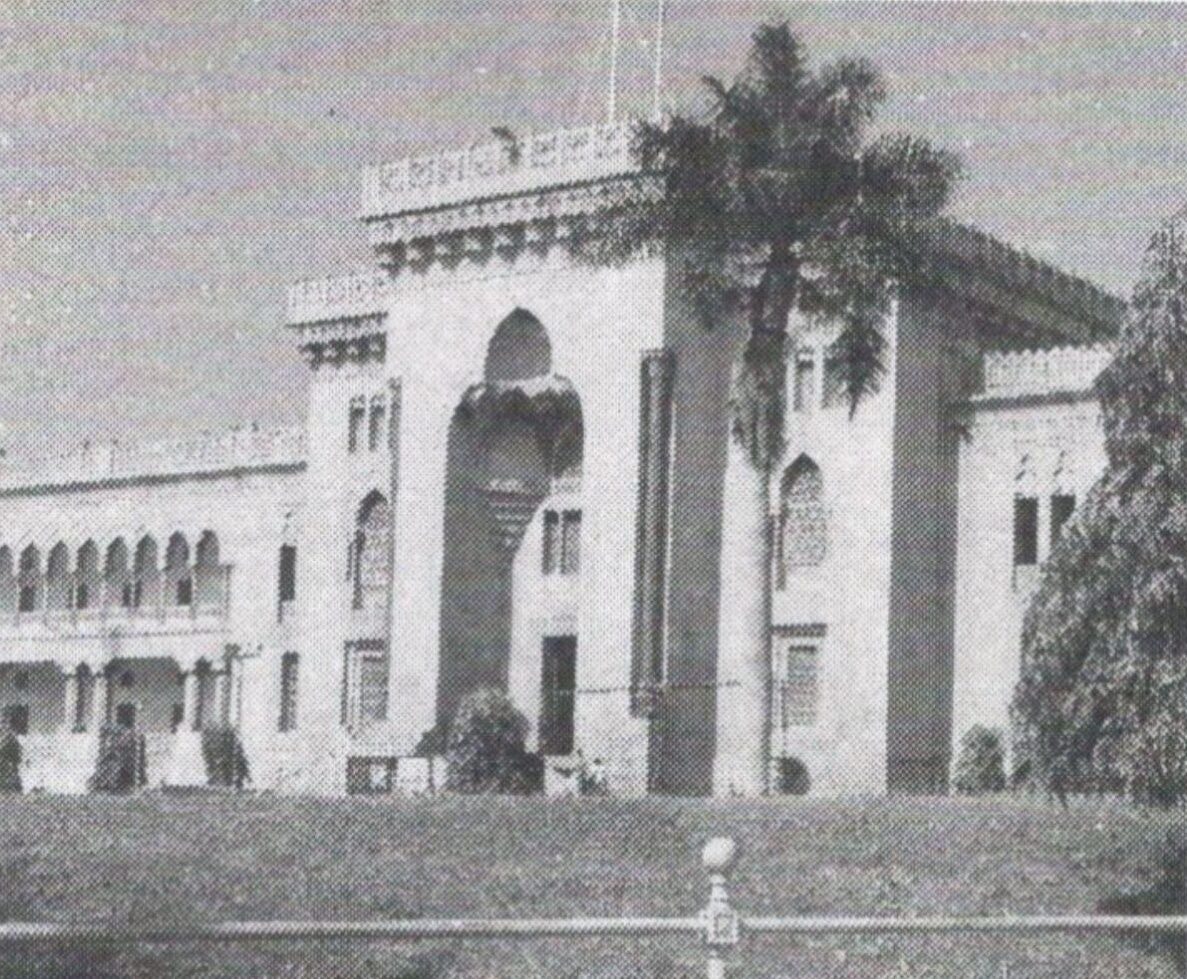
This University was established by Nawab Yawar Jung in 1918 in Hyderabad. It is the first Indian University to have Urdu as a medium of instruction. After independence, it was taken over by the government and transformed into a run-of-the-mill university devoid of its glorious historical past.
3.3 South Indian movements
While all the movements above rose in North-India, there were equal or better Muslim movements in the south as well; that were formed for the reformation of the Muslim community and freedom struggle.
 3.3.1 Renaissance in Kerala
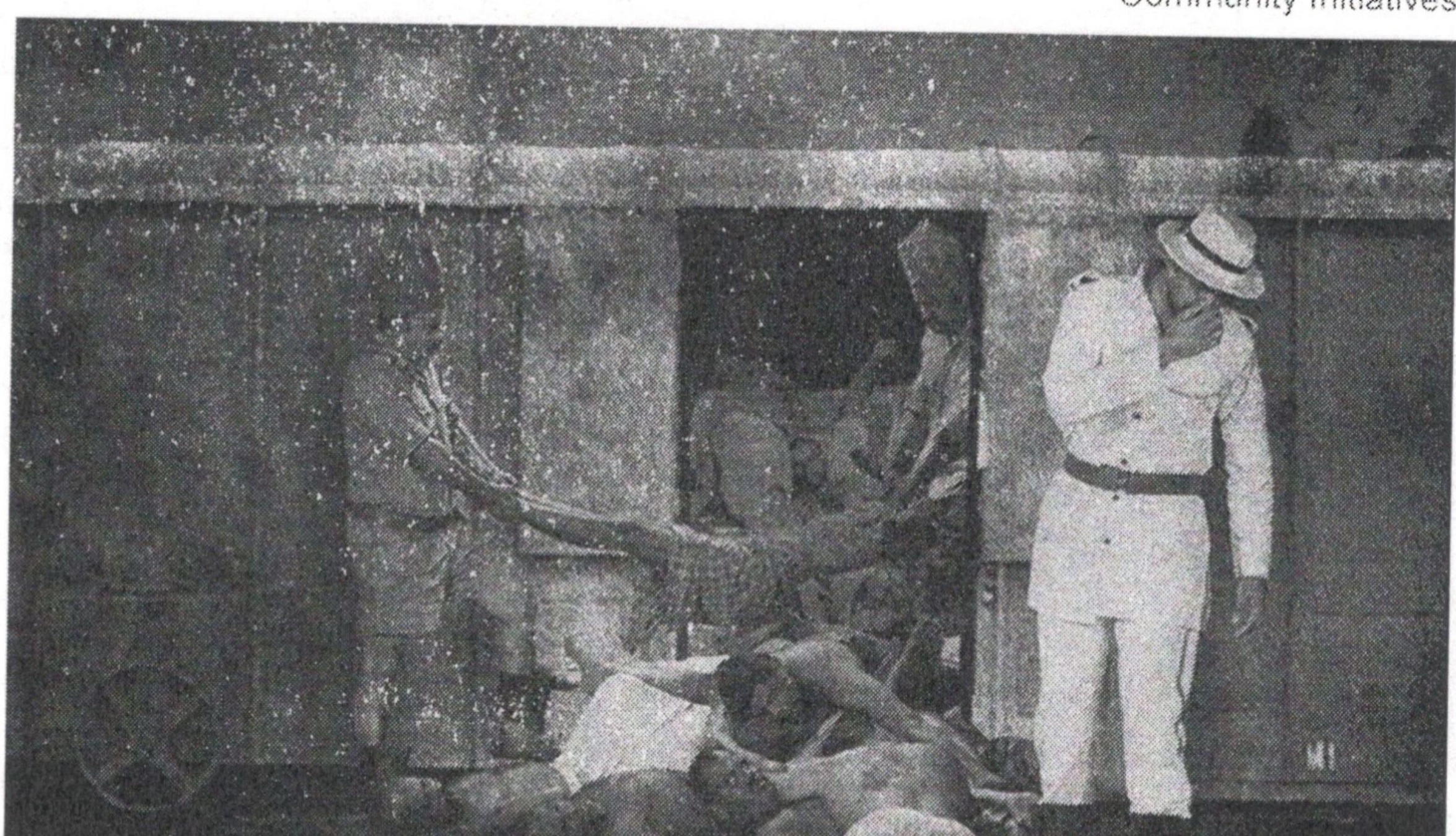
The Malabar Rebellion often referred to as Mopla Rebellion in 1921 in the northern part of Kerala was a fight against the British oppressors and the Zamindars who exploited the lower caste Hindus and Muslims. This rebellion had boosted the morale of the Muslims in their struggle against the British. Varian Kunnath Kunjahammed Haji, Ali Musliar, et al. were the leaders.
Vakkom Abdul Qadir Moulavi had been a bright personality in the history of Kerala for his significant role in reforming the Muslims. He campaigned for the need for modern education, the education of women, and the elimination of superstitious customs among the Muslim community. He tried to teach the Muslim community about the basic tenets of Islam through his publications Muslim (1906), Al-Islam (1918) and Deepika (1931). As a result of the continuous campaigning of Moulavi throughout the State of Travancore, the Maharaja’s Government introduced Arabic teaching in all state schools where there were Muslim pupils and offered them fee concessions and scholarships. Makti Thangal had been a pioneer among the Muslim reformers of Kerala, who fought for the spread of education among Muslims and against the distorted campaigns about Islam by the Christian missionaries.
The early individual efforts in the direction of reforming the Muslim community brought about a distinct cultural consciousness among them. This consciousness was crystallised into a movement by 1920’s, with the formation of Kerala Muslim Aikya Sangam (Muslim Unity Organisation). The ulema and leaders like K.M. Moulavi, Hamadani Thangal, Manapatt. P. Kunbahamed Haji, Seethi Mohamed, E. Moidu Moulavi, Mohamad Abdurahiman Sahib and E.K. Moulavi played the lead role in this movement. The first conference of Aikya Sangham itself had decided to form an organisation of ulemas and in the second conference in 1924 Kerala Jamiathul Ulema was officially formed.
The traumatic experiences of Malabar Rebellion upon the educated sections of Muslims forced them to think about the ways through which they could overcome the despair and helplessness and save the community from the decline. They also realised that only through organised efforts, not through individual initiatives, they could chalk out a programme for improvement of the community. The early reform movements tried to purify Islam from all later accretions that were contrary to its original teachings and sought to uplift the community through religious and secular education, also stressing on the education of women.
The traumatic experiences of Malabar Rebellion upon the educated sections of Muslims forced them to think about the ways through which they could overcome the despair and helplessness and save the community from the decline.
3.3.2 MIM in Hyderabad
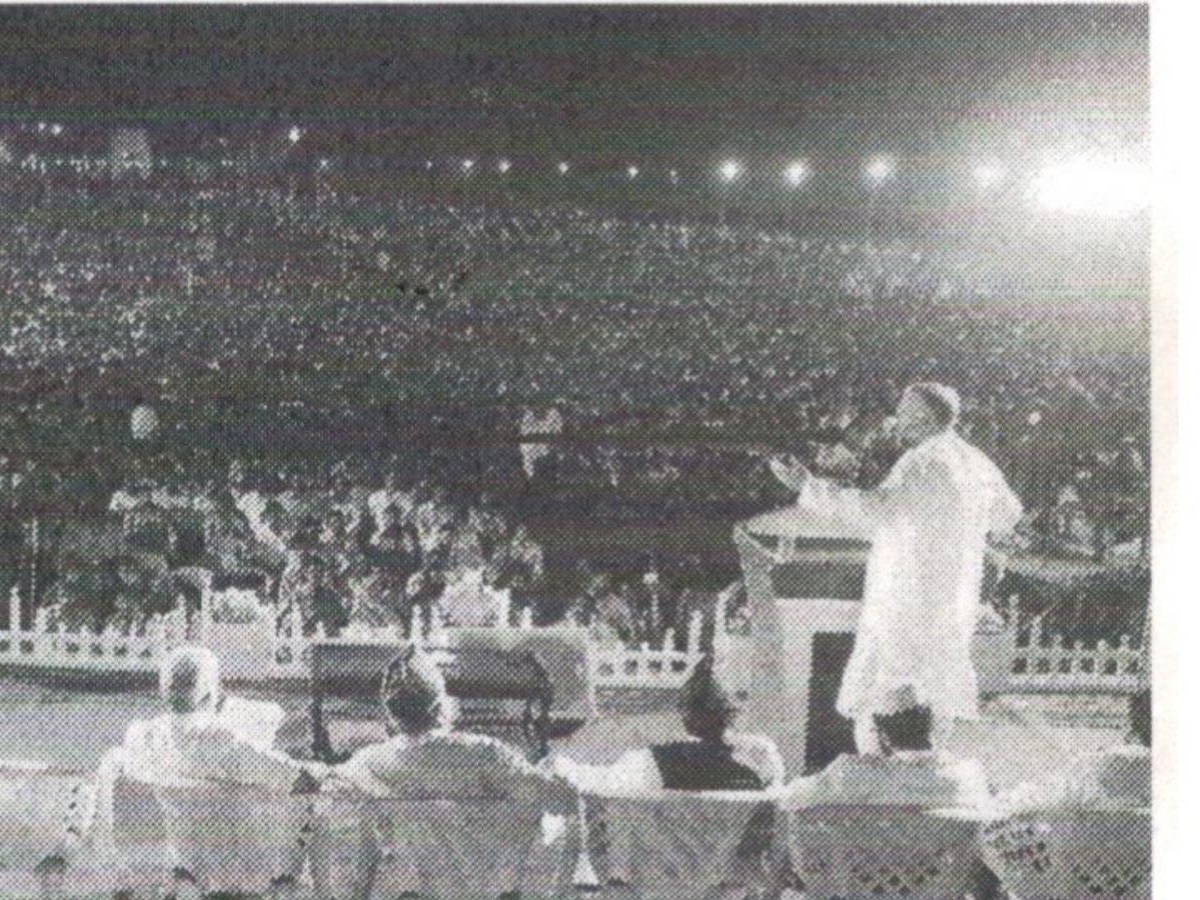
All India Majlis-e-Itthihadul Muslimeen (MIM) was a political outfit formed in 1927 in Hyderabad. It serves the political consolidation of Muslims in Hyderabad.
3.4 Post-Independence movements
As major leaders of Muslim League migrated to Pakistan, the reminiscent Muslims in India were left as orphans without any prominent leadership to guide them. As stated earlier, even the name Muslim League had been an anathema to the post-independence Indian society. It is in this context, certain brave Muslim leaders like Qaede Millath Muhammad Ismail Sahib dared to organise the Indian Muslims with the same name Muslim League.
Thus, Indian Union Muslim League was formed in Chennai in 1948 after a quietish phase. Muslim League has been an active member of the United Democratic Front in Kerala.
During the beginning of the seventies, IUML had ministers in West Bengal with seven MLAs in the state assembly. Apart from Kerala and West Bengal, IUML had MLAs in Tamil Nadu, Pondicherry, Maharashtra, Karnataka, UP, and Assam and there were members in Delhi Metropolitan Council and Mayors in various Municipal Corporations in India. However, the past two decades have shown a precipitous decline of IUML as a political force in other states.
All India Muslim Majlis is a Muslim political party formed in Uttar Pradesh in 1968. It was founded by Dr Abdul Jaleel Faridi after he had become disillusioned with the Samyukt Vidhayak Dal.
In 1977 two Muslim Majlis MPs were elected with Janata Party symbol. In 1992 the party raised voice against the demolition of Babri Masjid, but its influence was only nominal.
The growing dissatisfaction in the community about the approaches of national and regional political parties paved the way for new political experiments in recent years. All India United Democratic Front (AIUDF) could establish its influence in Assam by gaining a substantial number of seats in Assembly and Parliament elections within a short period of its formation. Other new parties like Social Democratic Party of India (SDPI) and Welfare Party of India (WPI) have yet to gain remarkable electoral wins anywhere in India.
The growing dissatisfaction in the community about the approaches of national and regional political parties paved the way for new political experiments in recent years.
3.5 New educational movements
Showing signs of recovery from the distress created by Partition and subsequent minority syndrome, the second decade after independence witnessed community initiatives in the field of modern education. Supplementing the forefront institutions of higher learning, Aligarh Muslim University and Jamia Millia Islamia and other higher institutions like Hamdard University were established. Farook College in Kerala and New College in Madras were examples of community initiated local educational institutions in South India, which became instrumental in inspiring others to start much more such institutions.
 Muslim Educational Society (1964) was formed in Calicut by Dr P. K. Abdul Gafoor and his friends for the promotion of modern education primarily among Muslims of Kerala. MES now runs more than 150 educational institutions which include schools, arts and science colleges, vocational training institutes, engineering institutes and medical colleges. Al-Ameen Educational Society (1966) is an initiative headed by Mumtaz Ahamed Khan and allies. The society now runs more than 100 institutions within and outside Karnataka. Many charitable organisations and institutions are now emerging in different parts of India for the promotion of Muslim education from primary to higher levels in various ways. These indeed are welcome signs of a better future for the children and youth belonging to Muslim community.
Last fifteen years have seen a spurt of universities established in both the government and private sectors, primarily for the benefit of the community. Noorul Islam University was founded in 1989 by Dr A.P. Majeed Khan at Kanyakumari in Tamil Nadu as a private initiative. The following are some of the leading institutions of higher education either in private sector or government sector, which are comparatively more beneficial to Muslims: Maulana Azad National Urdu University, Hyderabad (1998), Integral University, Lucknow (2004), Mohammad Ali Jauhar University, Rampur (2006), Maulana Mazharul Haque Arabic and Persian University, Patna (2008), BSA Abdur Rahman University, Chennai (2008), University of Science and Technology, Ri-Bhoi, Meghalaya (2008), Aliah University, Kolkata (2008), The Ayurvedic and Unani Tibbia College (2008), Khwaja Gharib Nawaj Arabic Urdu Persian University, Lucknow (2009), Al-Falah University, Faridabad, Haryana (2014) and Maulana Azad University, Jodhpur (2014).
Muslims took advantage of the liberalisation of education along with other sections and established several professional colleges, particularly in the south. It seems that in the post-Sachar positive environment both the leaders of the community and the respective governments have taken more interest in the promotion of higher education among Muslims. A lot of organisations and institutions meant for the educational uplift have been launched in different parts of India in recent years. Al-Ameen Movement, Bearys Institutions, Yenepoya Institutions and Khaja Bandenavas Institutions in different regions of Karnataka, MESCO (Hyderabad), Al-Ameen Movement (West Bengal), Imaarat-e-Sharia (Bihar), Rahmani Foundation (Bihar), Institute of Objective Studies (New Delhi), All India Educational Movement, Students Islamic Trust, Muslim Education Trust (New Delhi), Zakat Foundation (New Delhi) and Rehab India Foundation (New Delhi) are only few names to mention. While, education is the particular field for some of them, for some others, other areas of empowerment also form part of their agenda. A complete survey of all such initiatives is not under the purview of this paper, and hence omissions are not deliberate.
A lot of organisations and institutions meant for the educational uplift have been launched in different parts of India in recent years.
 3.6 Joint Muslim platforms
All India Muslim Personal Law Board was established at a time when the then Government of India was trying to subvert Sharia law applicable to Indian Muslims through parallel legislation. Adoption Bill had been tabled in the Parliament. Mr H.R. Gokhle, then Union Law Minister had termed this Bill as the first step towards Uniform Civil Code. Ulema, leaders and various Muslim organisations joined hands to fight the overt moves to undermine the Sharia laws.
It was the first time in the history of India after Khilafat Movement that people and organisations of Indian Muslim community belonging to various schools of thought came together on a common platform to defend what remains of the Muslim Personal Law. First such meeting was convened at Darul Uloom, Deoband. The meeting decided to hold a general representative convention in Mumbai. The resultant historic convention was held in Mumbai on December 27-28, 1972 was unprecedented. It showed unity, determination and resolve of the Indian Muslim community to protect the Muslim Personal Law. The convention unanimously decided to form All India Muslim Personal Law Board, which became a bulwark against any change in Muslim personal law.
All India Muslim Majlis-e-Mushawarat (AIMMM), is an apex forum of Muslim organisations and institutions of national eminence along with some well-known personalities. It is a non-political body. It was established at a representative meeting of the community leaders held on 8-9 August 1964 at Nadwatul-Ulema, Lucknow as a Consultative Committee. Syed Abul Hasan Ali Nadvi, Dr Syed Mahmood, Mufti Atiqur Rahman, Maulana Abul Lais Islahi, Qari Mohammad Tayyab, Maulana Kalb-e-Abid, Maulana Minatullah Rahmani, Janab Mohammad Muslim, Maulana Jan Mohammad and Janab Ebrahim Sulaiman Sait played a key role in the formation.
All India Milli Council (AIMC) is a common and united platform of the Muslims in India. Its establishment was decided by the “Ittihad-e-Millat” Conference in May 1992. AIMC received wide reach within a short period, thanks to the dynamic leadership of Moulana Qasi Mujahidul Islam Qasmi and the organising skills of Dr Muhammad Manzoor Alam. Milli Council focuses on the religious affairs of Muslims as well as general issues concerning the country and the nation. It mobilises public opinion against the fascist majoritarian tendencies.
3.7. New social movements
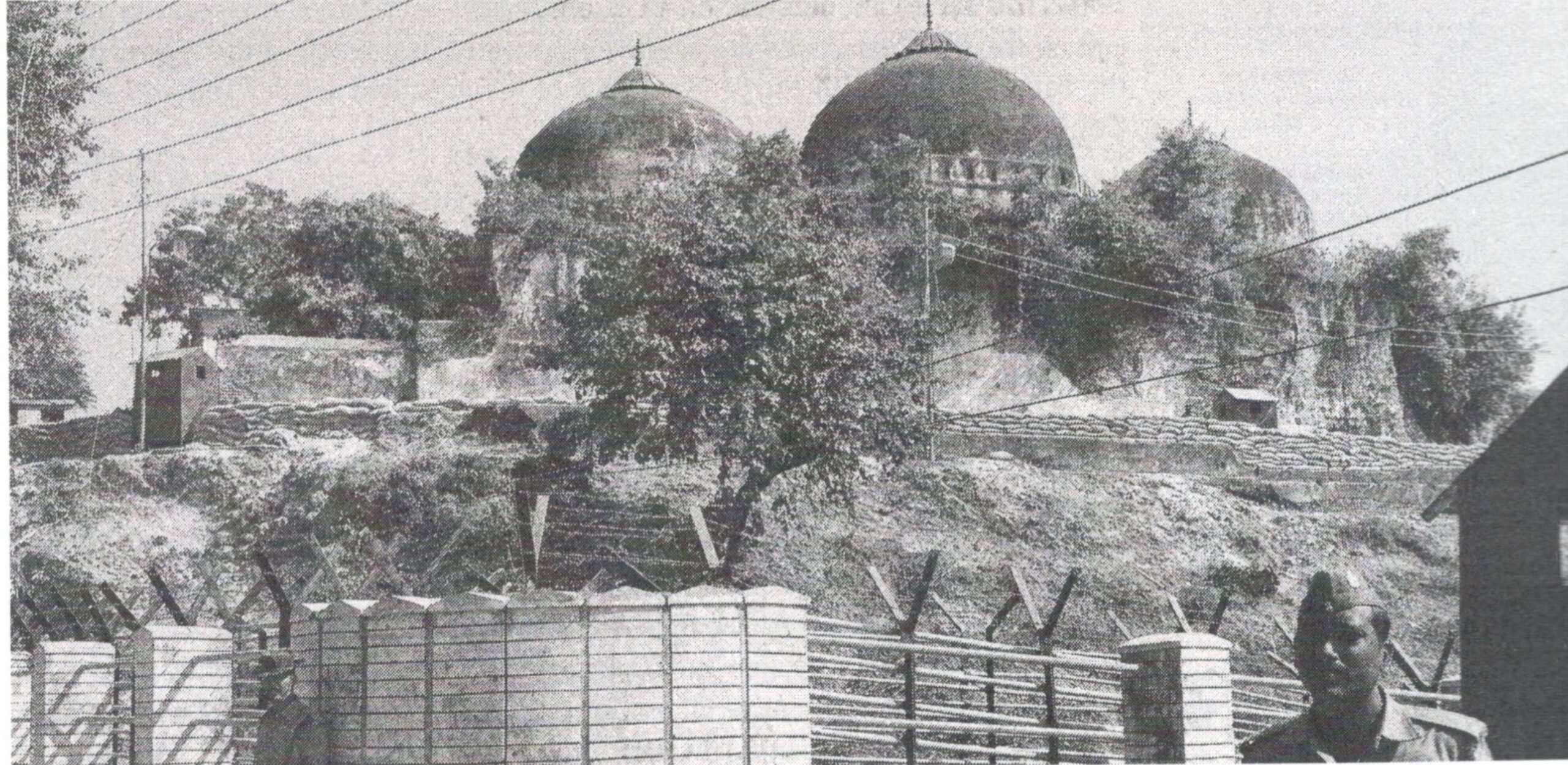
Deterioration of communal harmony in India started reaching its peak during late 80’s with the Sangh Parivar performing the ‘shilanyas’ at the Babri Masjid site in 1989. This led to the demolition of Babri Masjid in 1992. The insecurity feeling among the Muslims across the country aggravated as a result of this aggression of the Sangh Parivar with the acquiescence of the so-called secular Indian National Congress.
Deterioration of communal harmony in India started reaching its peak during late 80’s with the Sangh Parivar performing the ‘shilanyas’ at the Babri Masjid site in 1989 leading to its demolition in 1992.
Small associations of Muslims started taking shape in various corners of the country to defend Muslim rights and to seek self-protection. In addition to the Babri Masjid demolition and in-roads made by the Sangh Parivar into the public society, northern Kerala was facing an increase in communal conflicts.
Resultant alienation and threat to existence, dignity and development led to the formation of National Development Front in the northern part of Kerala. Subsequently, similar organisations were born in Karnataka (Karnataka Forum for Dignity) and Tamil Nadu (Manita Neethi Pasrai). These bodies later in 2007 merged to form Popular Front of India in Bangalore. The newly formed Popular Front was further expanded in 2009 in Calicut through the merger of similar organisations from Goa, Andhra Pradesh, Manipur, West Bengal and Maharashtra. The objective of the organisation is to build a new India of equal justice by empowering the nation through the empowerment of all sections of the society including the minorities, backward classes, Dalits and Adivasis.
Popular Front of India which aims at building a sense of confidence and security among common masses through various empowerment programmes is a fast growing people’s movement today with a presence in the majority of Indian states.
3.8 Emerging new vision and mission
In spite of the innumerable community initiatives listed above, Indian Muslims are in need of a wider vision, mission, planning and coordination in order to achieve their total empowerment. Though isolated and not yet inter-linked, there are instances of serious musings and deliberations across the country towards this end.
Indian Muslims are in need of a wider vision, mission, planning and coordination in order to achieve their total empowerment.
A few available vision documents and community development initiatives have been curiously watched or seriously discussed. During our search for past attempts, we came across an old document of the early 1990s prepared by Indian Reformers’ Society (IMRS) Delhi entitled ‘A Movement of Social Reform among Muslims Reflecting upon Whole Composite Society of India’. A draft proposal named ‘Working Together for the Development of the Muslim Community in India’ was discussed by ‘Indian Muslim Initiative’ in 2004.
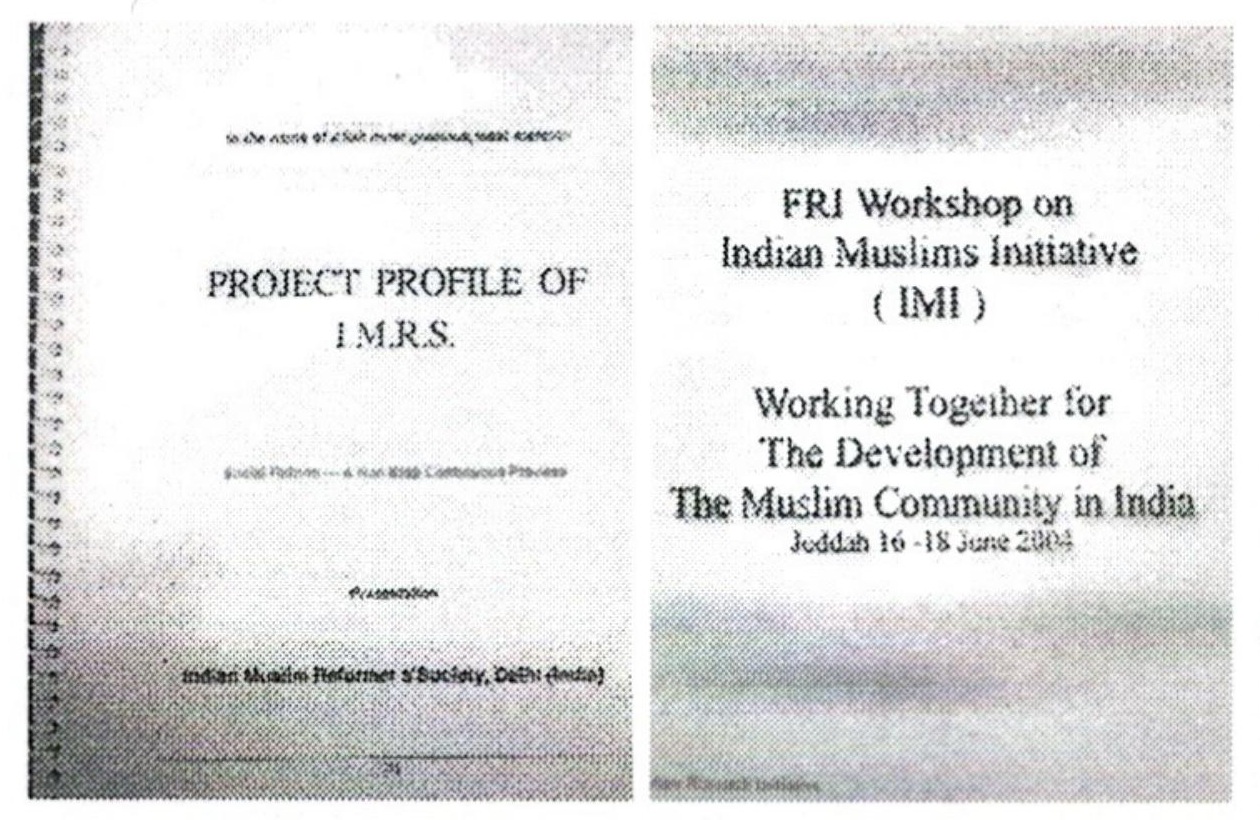 The real challenges of translating proposed visions and plans discussed in various platforms into actions and building appropriate implementation systems are not yet adequately undertaken. Vision 2016, is a remarkable initiative in this direction pioneered by Human Welfare Foundation, New Delhi. Rehab India Foundation, New Delhi started in 2008 carries the stories of successful implementation of village development projects in some of the most backward regions of North and North Eastern India.
 This project document India 2047 initiated by Empower India Foundation, New Delhi now intends to empower the community to move towards a bright future by effectively utilising the remaining part of the first century of independent India.
View or download the original PDF: India 2047, Chapter 3 — Community Initiatives, pages 29–38
