“I am a Muslim and am proud of the fact. Islam’s splendid tradition of 1,300 years is my inheritance. The spirit of Islam guides and helps me forward. I am proud of being an Indian. I am part of that indivisible unity that is the Indian nationality. I am indispensable to this noble edifice, and without me the splendid structure of India is incomplete. I am an essential element that has gone to build India. I can never surrender this claim.” — Maulana Abul Kalam Azad
In order to move forward as a community to a better future, we should have a clear picture of our present situation. Here is an attempt to have a look around to take a stock of the situation and understand where we want to go from here and how. As a community, Muslims have the strength and high potential for growth and advancement. The community has faults, follies and foibles to be identified and corrected. When community plans for the road ahead, its past and present are markers that give guidance and warning.
India is the seventh largest country in the world and the second largest in Asia. Before the advent of Muslims, the country was fragmented into small warring states, and there was no concept of India as a whole. The Muslim rulers, especially the Mughals, unified the country and gave it a central administration.
In respect of population, India with about 1.3 billion people is second only to China. As per the 2011 Census India has 966.3 million Hindus (79.8%) and 172.2 million Muslims (14.23%). Among the other minorities, Christians make up 2.3% and Sikhs 1.72%.
2.1 The Muslim presence
The Muslims of India are the second largest religious community in the country. They are more than 10% of the total Muslim population of the world. India has the largest concentration of the Muslims outside the member countries of the Organization of the Islamic Cooperation (OIC) and the second largest (after Indonesia) in the world.
The Muslims of India are the second largest religious community in the country. They are more than 10% of the total Muslim population of the world and the second largest (after Indonesia) in the world.
The Muslim immigrants, mostly Arabs, Turks, Afghans and Mughals, made the sub-continent their homeland. Scattered in different cities, towns and villages, they became indistinguishable from others. The Muslim scholars and religious leaders propagated Islam among the depressed and marginalised, and a large number of them converted to Islam. The vast majority of the present-day Indian Muslims is the descendants of these converts.
It is found that nine districts in the country have a Muslim population of 75% or above including Lakshadweep and eight districts of Jammu and Kashmir.
2.2 The Muslim rule
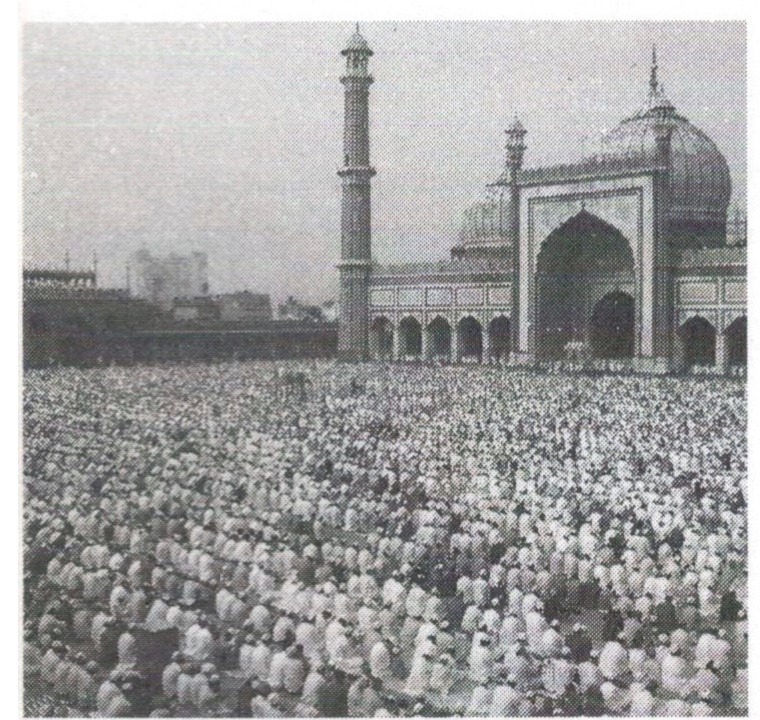
The invasion of Sind by Muhammad Ibn Qasim al-Thaqafi in 713 CE was precipitated by the failure of Dahir, the ruler of Sind, to contain the pirates. However, that was a North-Indian story. In the south, Arab traders had introduced Islam to the coastal people in the first century HE. The Muslim kings and emperors who ruled over north and central India for over one thousand years were not colonial rulers. The very concept of invasion for loot was unknown to Asia and Africa. Only with the advent of nation states, the idea of foreigners gained currency. Those who had come here from other countries made the sub-continent their home. They did not make any discrimination between religious communities but gave equal opportunity and most often, ensured social justice to all irrespective of their religious affinity.
Islam did make its presence felt during the Muslim rule of Indian social and cultural life. However, Islam and its promotion were not a major factor in state policies. This is well-established by the fact that although Delhi remained the capital of Muslim rulers for 647 years (1211-1858 CE), the Muslims were a small minority there throughout the period. In many cases, the most important jobs like those of ministers and chiefs of the army were given to non-Muslims, especially Hindus.
During Muslim rule, there was social peace and harmony in major parts of the country. History fails to produce even a single instance of communal disturbance during Muslim rule. The communal disturbance is a phenomenon introduced by the British, thanks for their ‘divide and rule’ policy.
2.3 The British Raj
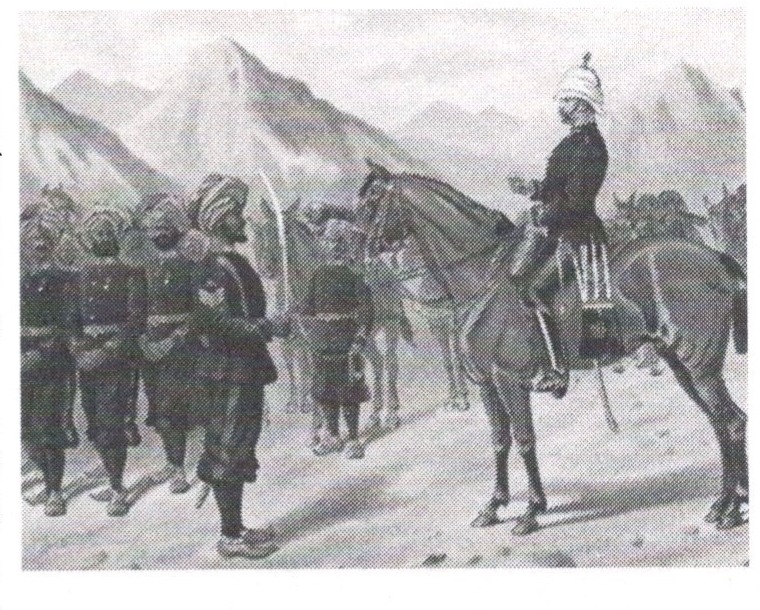 The process of colonisation of India by the British began in 1757 with the downfall of Siraj-ud-Dowla, the ruler of Bengal. The British crown took up the reign of the sub-continent in 1858 following the abortive revolution of 1857 led by both Muslims and Hindus against the colonial forces. The new colonial power regarded the Muslims as a potential threat to their political power as it were the Muslims from whom they had snatched the power.
When we search for reasons for the present backwardness of Muslims, we have to start right from here. From the very beginning, the foreign rulers adopted a discriminatory policy, hostile towards Muslims and sympathetic towards Hindus. The privileges earlier enjoyed by the Muslims in terms of property rights, etc., were withdrawn, government jobs were denied, and trade facilities were restricted. They remained backward in almost all walks of life.
As a part of ‘divide and rule’ policy, the colonial power tried to create great divisions among the two major communities, Hindus and Muslims. As a result of this, it did not take much time for sectarianism and anti-Muslim feelings to overtake the upper caste Hindu leaders. It eventually led to the Partition.
As a part of ‘divide and rule’ policy, the colonial power tried to create great divisions among the two major communities, Hindus and Muslims. It eventually led to the Partition.
2.4 The Partition
In the wake of the Partition of the sub-continent in 1947, which resulted in the creation of Pakistan and India, hundreds of thousands of Muslims, Sikhs and Hindus lost their lives and property. The educated Muslim middle classes migrated in large number to Pakistan. This created a large vacuum in the leadership of the Indian Muslims. The vast majority of them, who could not forsake their ancestral homes, became weak in the economic, political, social and cultural areas. They became the internal enemy in the eyes of the new ruling class. Since then, the Muslims here were under constant pressure to prove their patriotism.
2.5 Discriminatory policy of governments
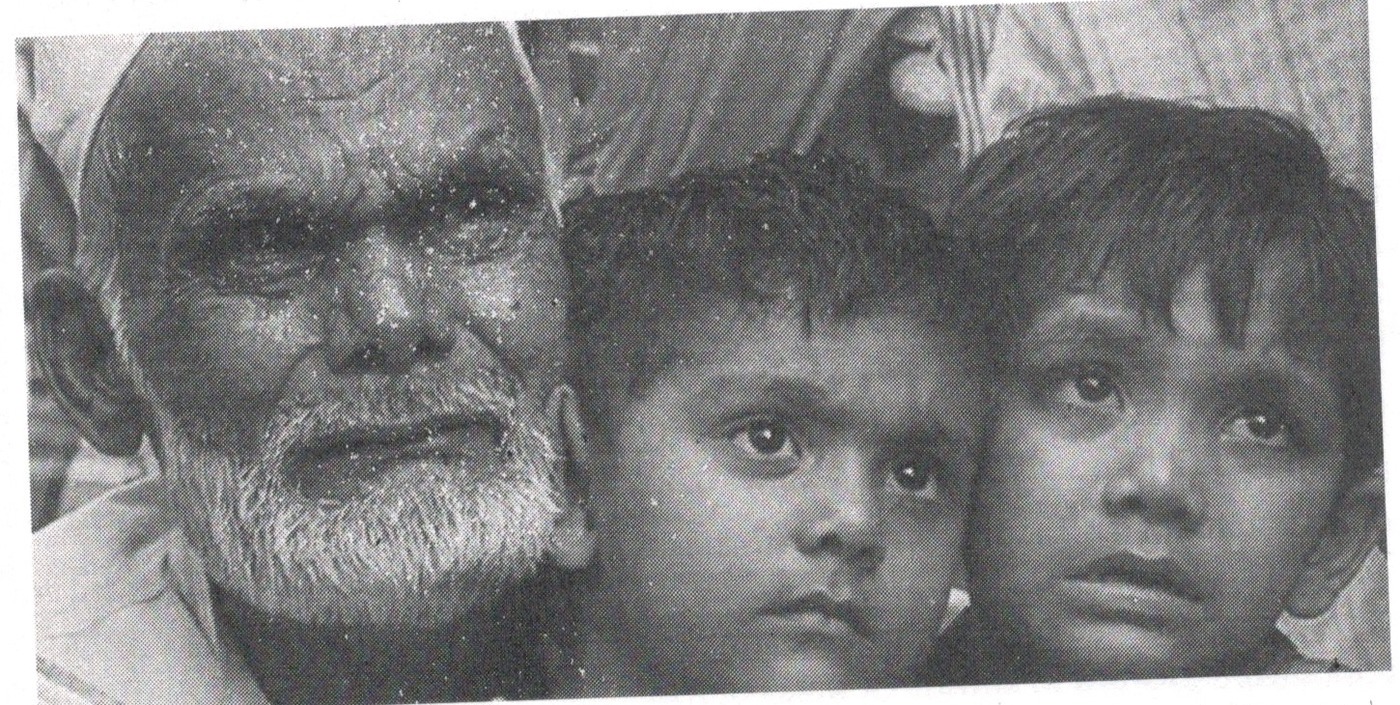
Since the dawn of independence, the Government of India dominated by the upper caste Hindus adopted discriminatory measures against the Muslims. Though the Constitution of India guarantees fundamental rights to all communities of India, the ground reality leaves much to be desired.
It is a well-known fact that the Indian Muslims are systematically and increasingly marginalised in their homeland. Soon after the independence, various states and territories were reorganised splitting the minority dominated areas and absorbing them in different states with a view to reducing their influence and making it difficult for them to win any election. In an effort to further reduce their political strength, the names of Muslims are sometimes deleted from the electoral rolls. For instance, the names of 138,000 Muslim voters were removed from the electoral rolls prepared in Hyderabad and Secunderabad for the election of December 1994. Delimitation and gerrymandering techniques were used to deny Muslims their democratic rights
During the local body election of 2015 in Gujarat, even State Election Commission admitted that more than 2.5 lakh of names were deleted from voters list and the actual number, as the opposition parties say, was more than four lakhs. It is needless to say that all deleted votes were from Muslim dominated areas.
The Congress party, which ruled India for over four decades, instead of making any effort to contain Hindu fundamentalism, did everything by default for its nourishment. Now with the BJP government in power at the Centre, minority communities, especially Muslims are being targeted in all possible ways.
2.6 Socio-economic conditions
Coupled with this disenfranchisement, socio-economic-political conditions of Muslims in the country have become very dismal. Justice Sachar Committee, Ranganath Mishra Commission and Prof. Amitabh Kundu Committee reports have highlighted this aspect in clear and lucid manner. Sachar Committee even said that in some parts of the country the plight of Muslims is worse than of Dalits communities.
2.7 Double burden
While discussing public perceptions about Muslims, Sachar Committee pointed out that they ‘carry a double burden of being labelled as anti-nationals and being appeased at the same time. Both the allegations from Hindutva right are nothing but the part of a larger ploy to deny them due share in national resources and to make them apologetic and defensive all along. Muslims are denied an opportunity to sit and to think positively and make strides towards larger goals. Moreover, it goes without saying that this identity problem has pulled the community backward in almost all spheres of life, especially in northern states. We can point out a number of examples of identity markers having led to suspicion and discrimination by governments, institutions and people.
The public focus and media’s over enthusiasm in the matters of personal law and other socio-cultural characteristics of the community also have a negative impact and in most of the cases, the responsibility of its backwardness was imposed on the community itself. It is tails you lose always, heads they win situation.
2.8 Security concerns
The strong feeling of insecurity among Muslims is high, especially in communally sensitive states. They fear for their lives, honour and wealth. The discriminatory attitude of the police and other agencies makes this fear more real. This insecurity and fear factor are one of the main reasons for the formation of ghettos. It also affects their mobility, leading to situations wherein Muslims are unable to exploit economic opportunities. As a corollary, they are denied opportunities for education and a dignified life.
The strong feeling of insecurity among Muslims is high. They fear for their lives, honour and wealth. The discriminatory attitude of the police and other agencies makes this fear more real.
Recent events have only increased the sense of fear. The killing of Muhammad Akhlaq in UP, on the suspicion that he had kept beef at his house, the lynching of two cattle traders in Jharkhand, the unreported harassment and attacks in various parts of the country, killings on behalf of cows, regular threatening statements from small time sanghis and acharyas and hydra faced organizations, calls to Muslims for leaving the country have exacerbated insecurity. The inherent violence of Hindutva nationalism is creating the potential for conflicts. The number of clashes between Muslims and Hindus has risen significantly over the last few years.
2.9 Widespread inequality
Although the Constitution ensures equality in every respect, Muslims are being denied it in many ways. They are being subjected to blatant injustice when it comes to the distribution of national resources, and implementation of various welfare schemes. It is hard for Muslims to get bank loans and credits. Many banks have designated most of the Muslim concentration areas as ‘negative or red zones’, where they do not give loans. Law enforcing agencies treat with suspicion.
2.10 Educational backwardness
Education is crucial for development and enhancement of social and economic status. However, in many states literacy rate among Muslims is lower than most other backward classes. It is not increasing fast enough to converge with literacy rates of other groups. In 2011-12, about 74 % of the population in the country was literate. Among the broad socio-religious categories (SRCs), Muslims had lowest literacy level (70 %) compared to 74 percent among Hindus and 83 percent among other religious minorities. The percentage of children who have never attended school in the 6-14 age group among OBC Muslims is much higher than all SRCs in 2004-05 and continued to be so in 2011-12. Some positive steps from the part of the community have helped to increase their attendance mainly in primary schools. The reason for children being out of school is that the parents are either not interested, or they are too poor to support their children’s education. Among Muslims, the latter is stated as the major reason. Nearly 30% among the 5-14 year-olds and 26% among the 15-24 year groups have had no primary education.
The reason for children being out of school is that the parents are either not interested, or they are too poor. Nearly 30% among the 5-14 year-olds and 26% among the 15-24 year groups have had no primary education.
2.11 Signs of progress
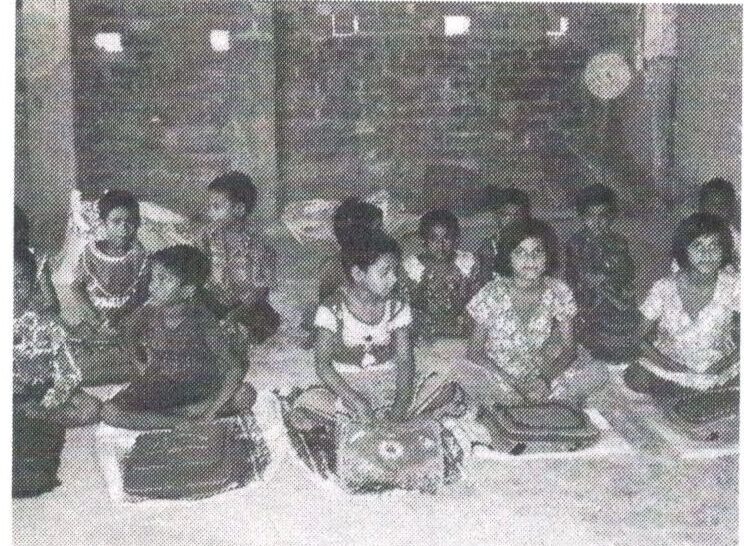 The percentage of Muslim children who never attended school is high; slightly lower than that of SCs/STs. As many as 25% of Muslim children in the 6-14 year age group have either never attended school or have dropped out. The dropout rate is the highest among Muslims, and this seems to go up significantly after middle school. School enrolment rates are among the lowest but have improved in recent years. This is consistent with the perception that the community is increasingly looking at education as a means of improving socio-economic status.
Primary education and higher secondary attainment levels are also among the lowest for Muslims. Consequently, graduate attainment rates are also among the lowest and not converging with the national average. Needless to say, the participation of Muslims in technical and engineering education is also very poor.
It’s found that only one out of the 25 undergraduate students and one out of the 50 post-graduate students is a Muslim in premier colleges. The share of Muslims in all courses is low, particularly at the PG level and marginal in the science stream. Urdu schools are important for the community in Urdu-speaking areas, especially at the primary level where education in the mother tongue is preferred. However, their reach is very limited. According to available studies, less than 4 % of school going Muslim children goes to madrasas. In other words, mainstream schools are the only means to satisfy increasing demand for education in the community.
The resistance to recognising Minority Education Institutions by State Governments has been a matter of grave concern in several states. This is also a clear violation of Article 30 of the Constitution.
2.12 Self-employed at best
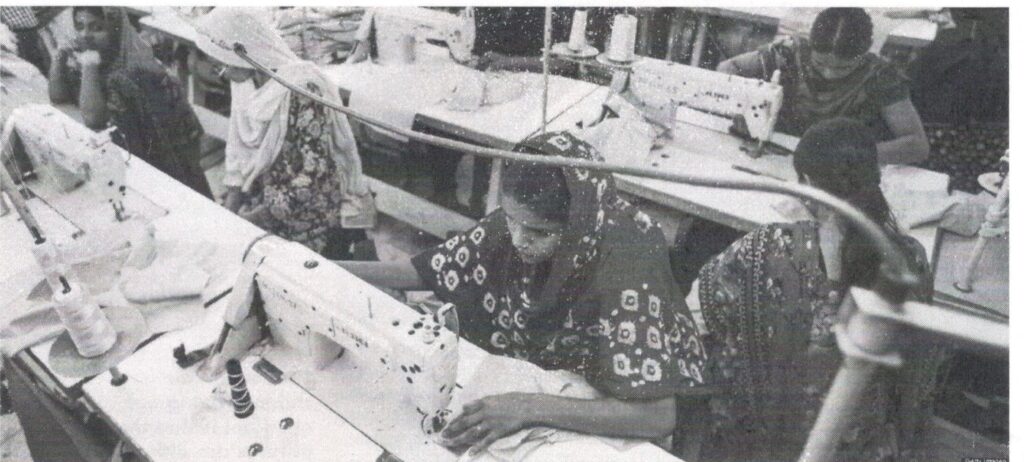
As compared to others, Muslim workers, especially women are concentrated more in self-employed (home-based) activities and their share in regular work, especially in the government, public sector and the large private sector is very low. A larger proportion of Muslim workers is engaged in manufacturing and retail trade than workers of other communities. Their work conditions are more precarious, and earnings are relatively low. Moreover, vis-a-vis others, a much larger proportion of Muslim workers are engaged in street vending and are without employment benefits and social security.
As compared to others, Muslim workers especially women are concentrated more in self-employed activities and their share in public and private sectors is very low.
A detailed analysis of employment in different government departments also revealed that Muslim representation is very low, and very often they are found in low-end jobs. Moreover, the participation of Muslims in government jobs which involve the provision of public services like healthcare (nursing), security (police), etc., is extremely low.
The presence of Muslims was found to be only 3% in the IAS, 1.8% in the IFS and 4% in the IPS. The Muslim community has a representation of only 4.5% in Indian Railways. Almost all (98.7%) of them are positioned at lower levels. The share of Muslims in security agencies is around 4%, in the Education Department 6.5% and in the Home Department 7.3%. Overall the proportion of Muslims in the police as constables is only about 6%. In the health departments, their share is just about 4.4% and in the judiciary it is 7.8%. The share of Muslims in all recruitments by State Public Service Commissions is about 2.1%.
Despite the much ballyhooed economic boom Muslims have been bearing the brunt of the so-called “competitive” forces unleashed by liberalisation. Internal and external liberalisation has brought with it considerable costs in terms of unemployment and displacement of workers who have lost their jobs due to competition and import of low-priced products. Displacement from traditional occupations has resulted in Muslims being deprived of their means of livelihood, and this has led to further deprivation. It’s also found that Worker Population Ratio for Muslim women is the least from among all other communities, more so in urban areas.
As high as 18 percent of the educated urban Muslim youth report unemployment. In the lower educational categories, the percentage of unemployed is the highest among Muslims, closely followed by Dalits.
Even after nine years of the Sachar Committee, figures tabled in the Lok Sabha show that minority groups are still under-represented in government jobs. More worrying still, their numbers are falling.
Displacement from traditional occupations has resulted in Muslims being deprived of their means of livelihood, and this has led to further deprivation.
2.13 Access to public facilities
According to Sachar Committee reports, overall access to public infrastructure is limited for Muslims as for all disadvantaged households. Access to trained health persons and institutions for childbirth is very poor, only better than that of the SC/ST population. Muslims have very poor access to tap water in both rural and urban areas; in rural areas Muslim households have the lowest access to this facility. Nothing has changed much. Poor roads and lack of proper transport, sanitation, water, electricity and public health facilities are common to Muslim habitats both urban and rural.
2.14 Poverty and low living standards
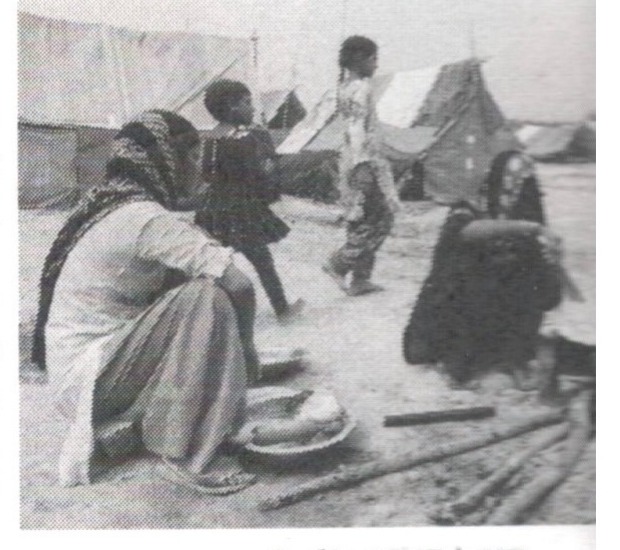 The poverty rate among Muslims in the country, especially in northern states has been found to be higher than other backward communities except SCs/STs. The situation is the same with respect to the intensity of poverty in urban and rural areas.
A substantially larger proportion of the Muslim households in urban areas is in a very low (less than Rs.500/-) expenditure bracket. The incidence of poverty among Muslims in urban areas is the highest with a Head Count Ratio of 38.4% followed closely at 36.4% for SCs / STs.
Poverty levels among Muslims in rural areas are higher than the national average during 2004-05 and 2011-12. In urban areas, poverty among the OBC Muslims is almost twice as high as that of the general population during the same period.
2.15 Communal riots
 Communal riots, which started in India during the British Raj has become a regular phenomenon in Indian society. According to the MHA, Government of India, there were 13,356 serious anti-Muslim riots in 39 years between 1954 and 1992; that is almost one riot daily. Major communal riots which resulted in the holocaust of thousands of Muslims took place in Meerut in 1987, Moradabad in 1980, Bombay in January 1993 in the aftermath of the demolition of the Babri Masjid on 6 December 1992, and Gujarat genocide of 2006. As per data released by the National Crime Records Bureau, there were 1,227 riots in 2014. Certain historians have said that there is an institutionalised riot system in the country which can be activated as and when needed.
2.16 Political representation
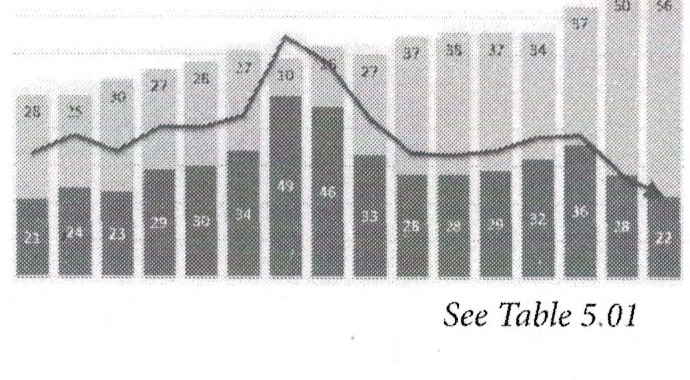
It would perhaps be a revelation for many that the Indian Muslim voter carries influence in over 200 Lok Sabha seats across India where they constitute on an average 11% of the popular vote. Yet, the share of the Indian Muslim in the political space, nationally and regionally, has been negligible so far and continues to decline steadily, leading to a serious question mark on the inclusive nature of our polity and the prejudice prevalent in all “secular” parties, when it comes to Muslims. In the current Lok Sabha, for instance, Muslim representation went down to a historic low of 22 seats. Muslims constitute 14.2 per cent as per the 2011 Census. So proportionally speaking they should have had 77 seats in the 16th Lok Sabha.
Since independence, the highest number of Muslim MPs ever sent to Parliament was 49 in 1980 and even then they were under-represented. The decline in numbers has been a phenomenon since the first General Election in 1952.
Although the BJP did coin a phrase of “Sabka Saath, Sabka Vikas” in the run-up to the 2014 elections, not a single Lok Sabha seat was given to Muslims by the party in Uttar Pradesh, which accounts for over 35 million Muslims. When we look at the states, except for the state of Jammu and Kashmir which has a Muslim majority, there has not been a Muslim chief minister in India since 1982! The last one was AR Antulay from the Congress party who served as the Maharashtra CM between 1980 and 1982. Apart from him, India since independence has had only five Muslim chief ministers. Just one of them, MOH Farook from Pondicherry, managed to complete a five-year term. Political under-representation of Muslims well exceeds 50% in states like Rajasthan, Gujarat, Delhi, Maharashtra, Madhya Pradesh and Tamil Nadu.
Muslim representation went down to a historic low of 22 seats in the current Lok Sabha as opposed to 77 seats based on their population proportion.
There is a growing awareness among the younger Muslim elite that they are being left behind by a rapidly developing and advancing India and that the negligence of the Indian government towards Muslims means that they must fend for themselves. This sensibility is reflected in their lukewarm response to mainstream political parties. Muslim political outfits have been proved to be ineffectual in articulating real Muslim issues. The emergence of new political parties such as SDPI and WPI may be a sign of new political thinking.
 ORIGINAL SOURCEView Original Scanned Chapter